Department of Earth Sciences
Service Navigation
Welcome to homepage of the "Planetary Geodynamics" working group!
Group members
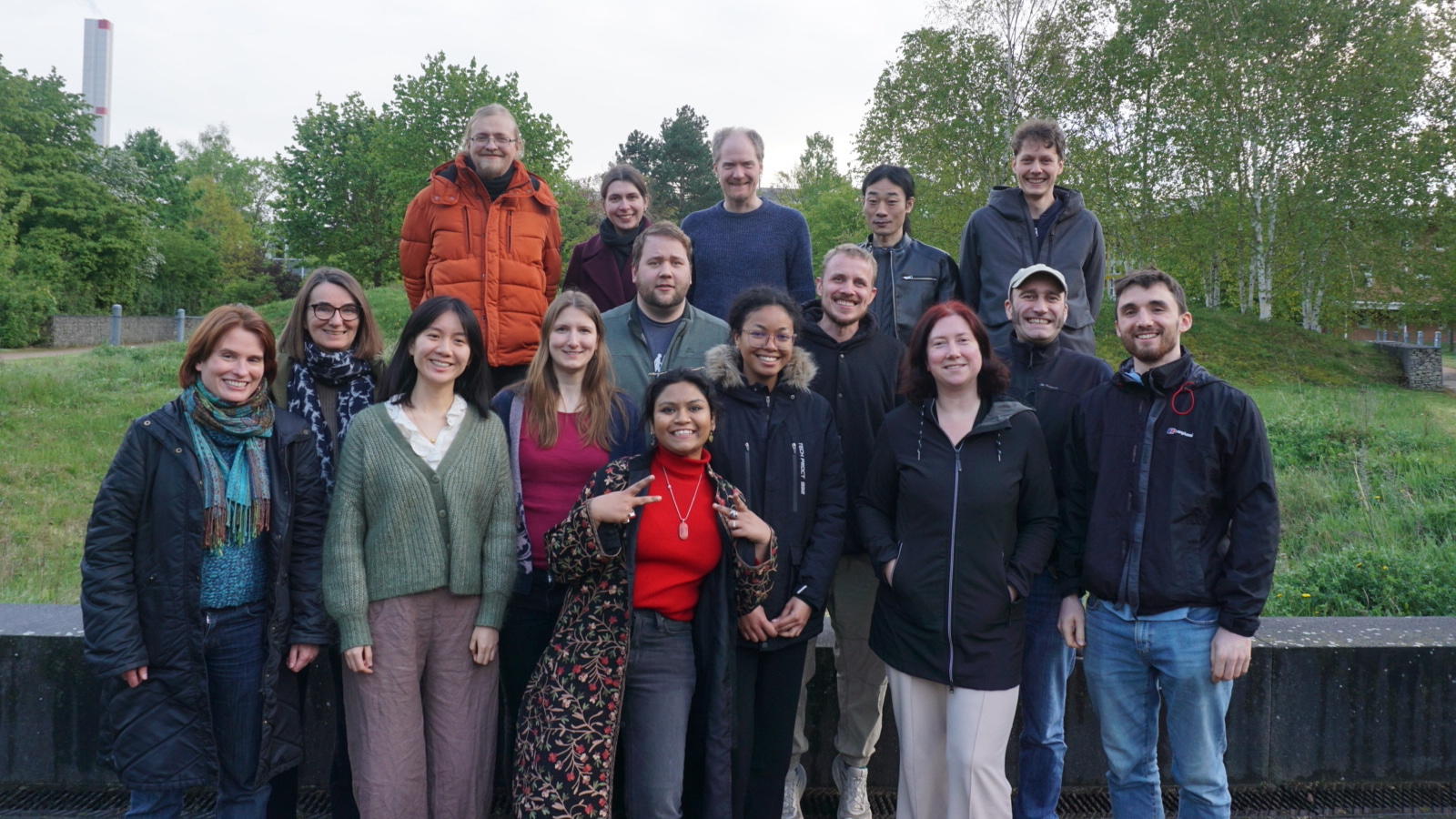
Group Leader: Prof. Dr. Lena Noack

Lena Noack has been a professor at Freie Universität Berlin since 2017. Her research focus is on the geodynamic modeling of planetary processes. Having studied mathematics at Humboldt-Universität zu Berlin and completing her doctorate at the Institute of Planetary Research based at the German Aerospace Center, she moved to the Royal Observatory of Belgium in 2012, before returning to Berlin several years later and joining Freie Universität. She is primarily interested in exploring the link between planetary surfaces and their interiors as well as characterizing potential Earth-like exoplanets around our neighboring stars.
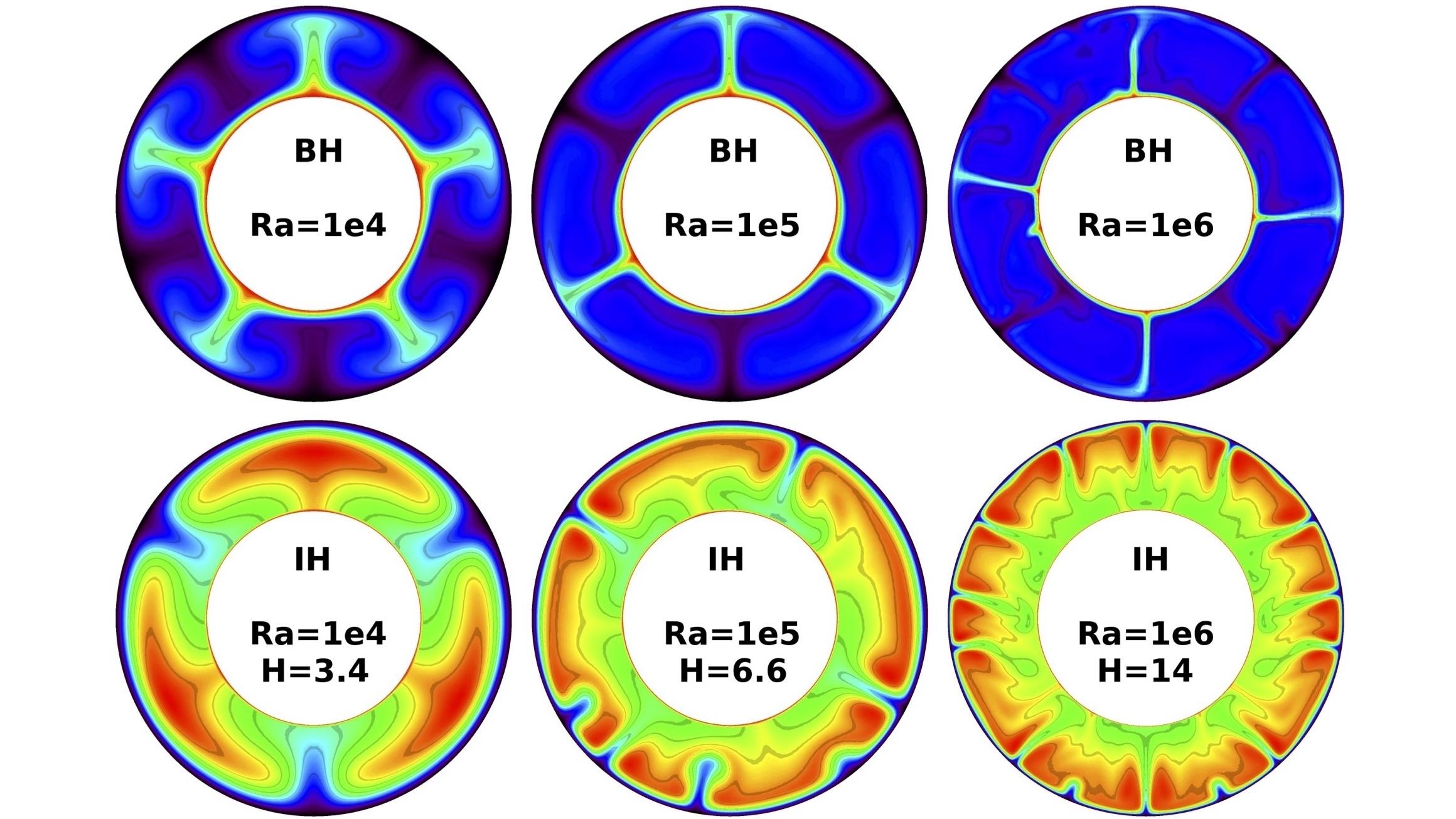
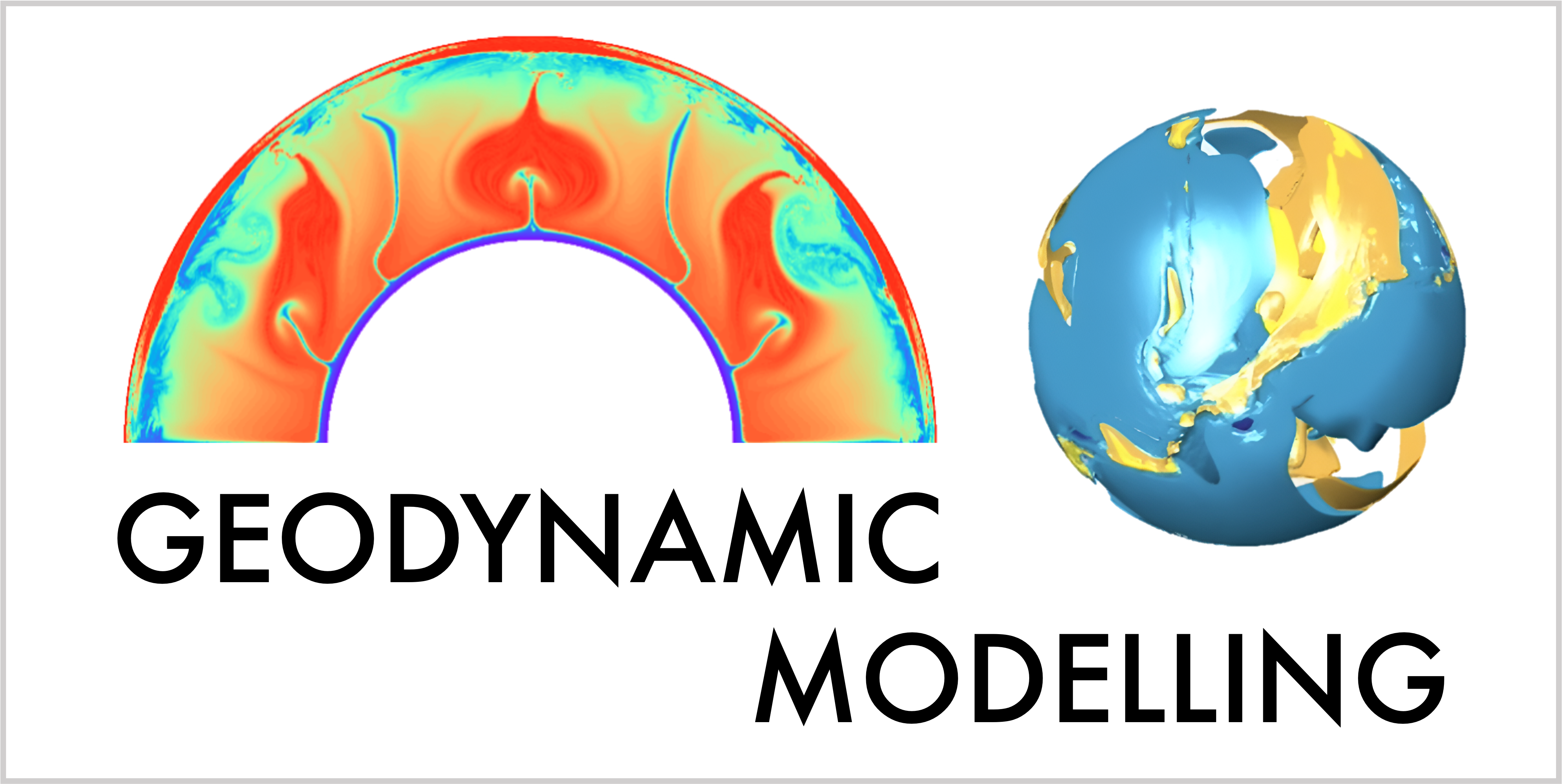
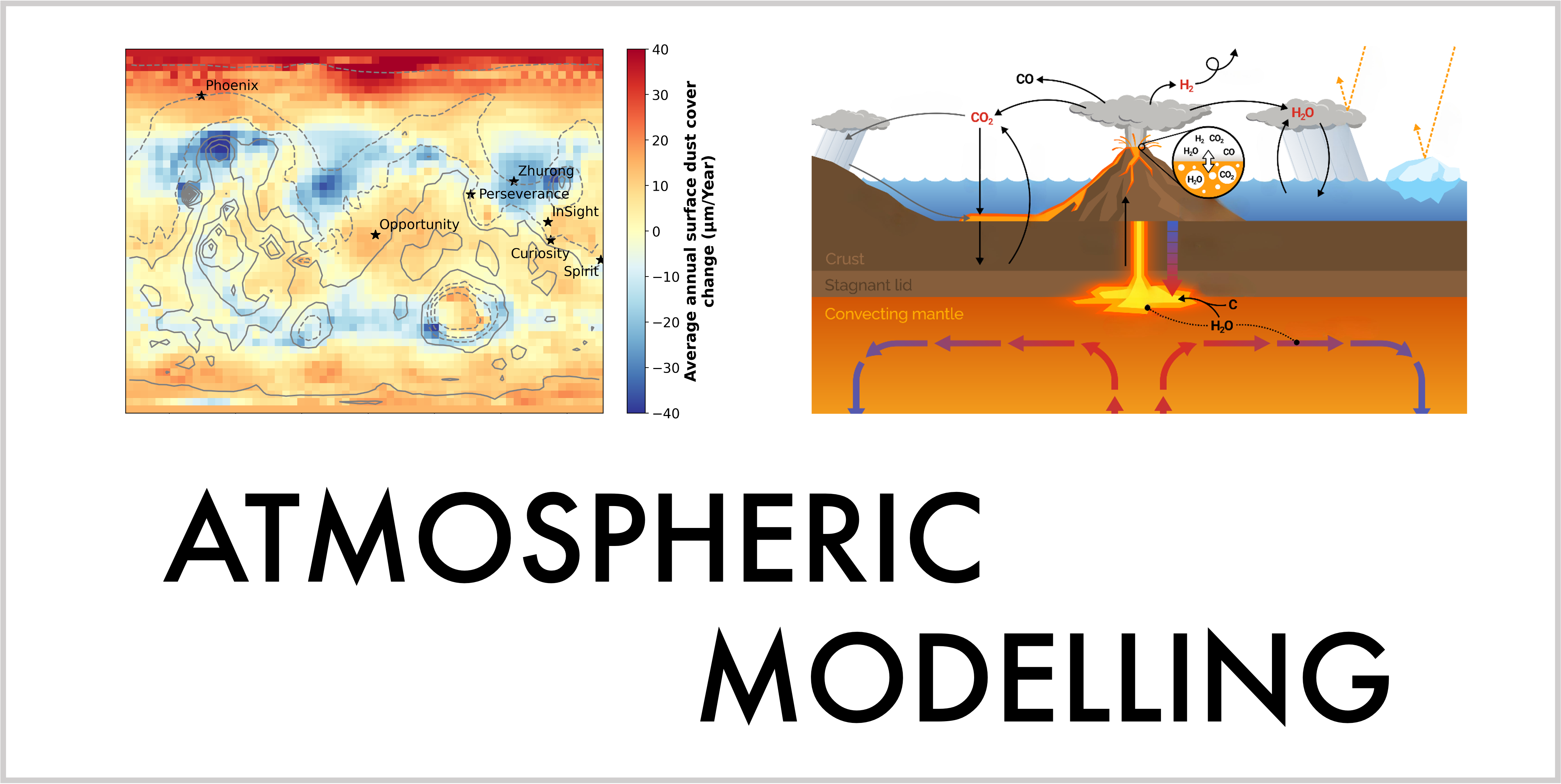
MAIN RESEARCH FIELDS
 |
 |
 |
Projects

DIVERSE (DIVerse Exoplanet Redox State Estimations)
The “DIVERSE” project will focus on "Class X planets", which have a strongly reduced interior chemistry. The result would be an atmosphere that was formed by volcanic outgassing, but one which would look quite different to that of Earth or its neighboring planets. These planets would then more closely resemble ice giants like Neptune, where atmospheres are formed from the accretion disc during the creation of planets and are thus dominated by hydrogen and helium.

LIFE (LARGE INTERFEROMETER FOR EXOPLANETS)
LIFE was initiated in 2017 and officially kicked-off in 2018 with the goal to develop the science, the technology and a roadmap for an ambitious space mission that will allow humankind to detect and characterize the atmospheres of hundreds of nearby extrasolar planets including dozens that are similar to Earth. Thanks to NASA’s Kepler and TESS missions and dedicated, long-term exoplanet searches from the ground, we know that small, rocky exoplanets are ubiquitous in the Milky Way and also in the immediate Solar neighbourhood. Detecting the nearest exoplanets, scrutinizing their atmospheres and searching for habitable conditions and indications of biological activity is a cornerstone of 21st century astrophysics.

SPP 1992: EXPLORING THE DIVERSITY OF EXTRASOLAR PLANETS
The SPP 1992 addresses the diversity and complexity of exoplanets. It links observational methods for planet detection and characterization with theory and modeling. One of the most exciting recent discoveries in astronomy is the existence of a huge variety of extrasolar planets orbiting other stars, including numerous multi-planet systems. Exoplanets can be very different to those found in our Solar System, and range from the so-called “Hot Jupiter” and “mini-Neptune” gas planets to large rocky planets (“super-”Earths). This Priority Programme aims to explore such diversity and understand its origins. The SPP 1992 wants to make substantial contributions to answering the following fundamental questions: What does the diversity of exoplanets tell us about their formation processes and the evolution of planets and planetary systems? What can we learn about the astrophysical conditions necessary to harbour life and are these conditions common in our Milky Way?

EXCHANGE
The goal of the EXCHANGE roundtable is to foster collaboration and knowledge exchange among research groups in the Berlin‐Brandenburg region that specialize in exoplanet characterization. By bringing together experts from various fields, such as exoplanet interiors, atmospheres, star‐planet interactions, and host stars, we aim to create a more comprehensive understanding of these fascinating foreign worlds. Alternating between different institutes provide opportunities for early career scientists and students to explore diverse research possibilities within the region and connect with experienced researchers. Moreover, such collaboration will significantly enhance our ability to characterize exoplanets and solidify the Berlin‐Potsdam region's position for exoplanet research in Europe.